
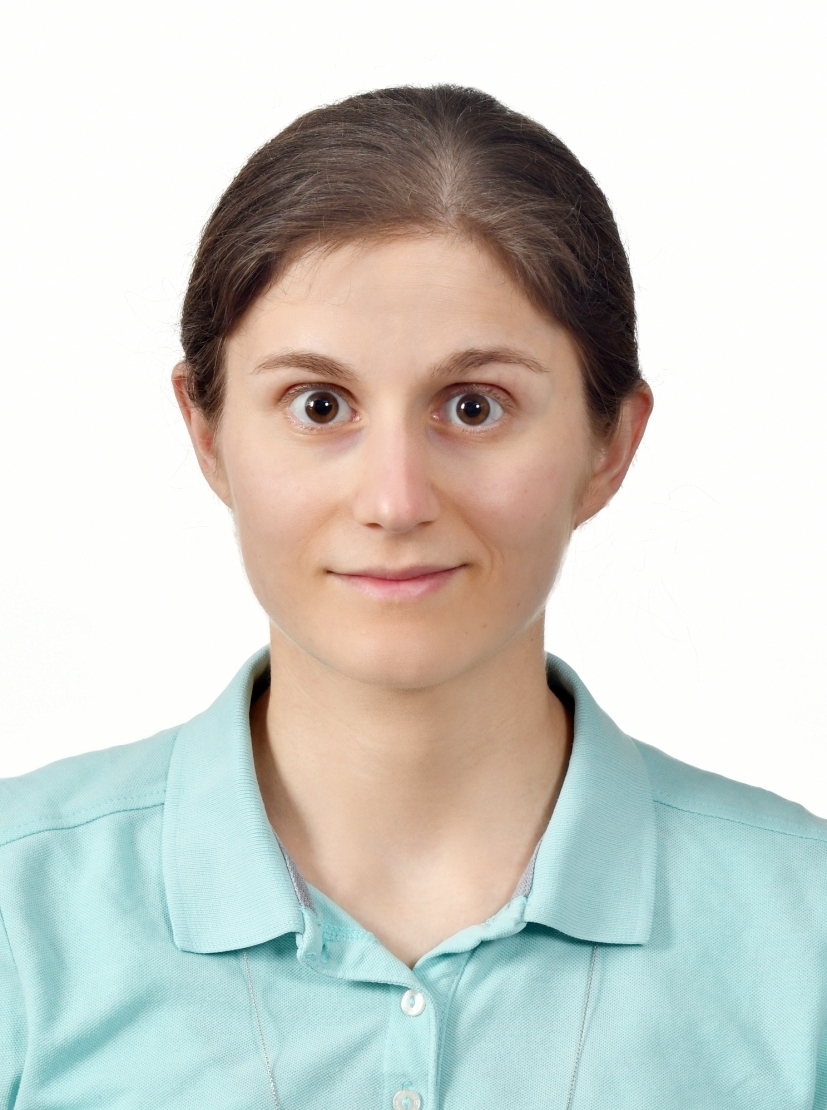
撰文:Chiara Labanti (電機系教授、光電所教授)
My name is Chiara Labanti (藍嘉雅), and it is a pleasure for me to introduce myself as I join the Department of Electrical Engineering at NTU!
A bit about my background: I am originally from Italy, where I earned my Bachelor’s and Master’s degrees in Physics at the University of Bologna, the oldest university in the Western world. Drawn by a passion towards the practical applications of Physics, I specialized in Solid State Physics before moving to Imperial College London for my PhD in Plastic Electronics. There, I really broadened my expertise, working at the interface between Physics, Chemistry, and Materials Science, and learning from some of the pioneering academics in Organic Electronics. During my PhD, I focused on organic molecule characterization to improve the efficiency and stability of photoconversion devices. Afterward, I decided to move to industry, gaining valuable experience on how to scale organic photodetectors from lab to fab at Cambridge Display Technology Ltd.
Overall, my research centers on the design and characterization of organic semiconductors for converting light into electricity, such as solar cells and photodetectors. I am particularly interested in extending photoconversion into the infrared range, where silicon-based technologies fall short. To achieve this, I apply advanced characterization methods, including photoemission and vibrational spectroscopy, to understand how molecular structures affect optoelectronic performance. I also deeply enjoy scientific collaborations, especially in this emerging field where multiple disciplines are needed to achieve valuable results. For example, during my PhD I contributed to a joint project between Imperial College London and Samsung Advanced Institute of Technology, gaining first-hand experience on how lab-based science can translate into impactful technologies used in everyday life.
I am truly excited to join NTU to bring my research on organic optoelectronics to the next level thanks to the advanced facilities, top-level colleagues and students and international environment. I believe the future of optoelectronics lies in applying well-established science to new frontiers, such as medical devices and environmental remediation, and it is really important to cultivate creativity, interdisciplinarity, and passion in our everyday research work. For this, I think NTU-EE is really the right place to be!